How we prepare for a long conversation
The best interviews look unrehearsed. That takes more preparation than most people expect.
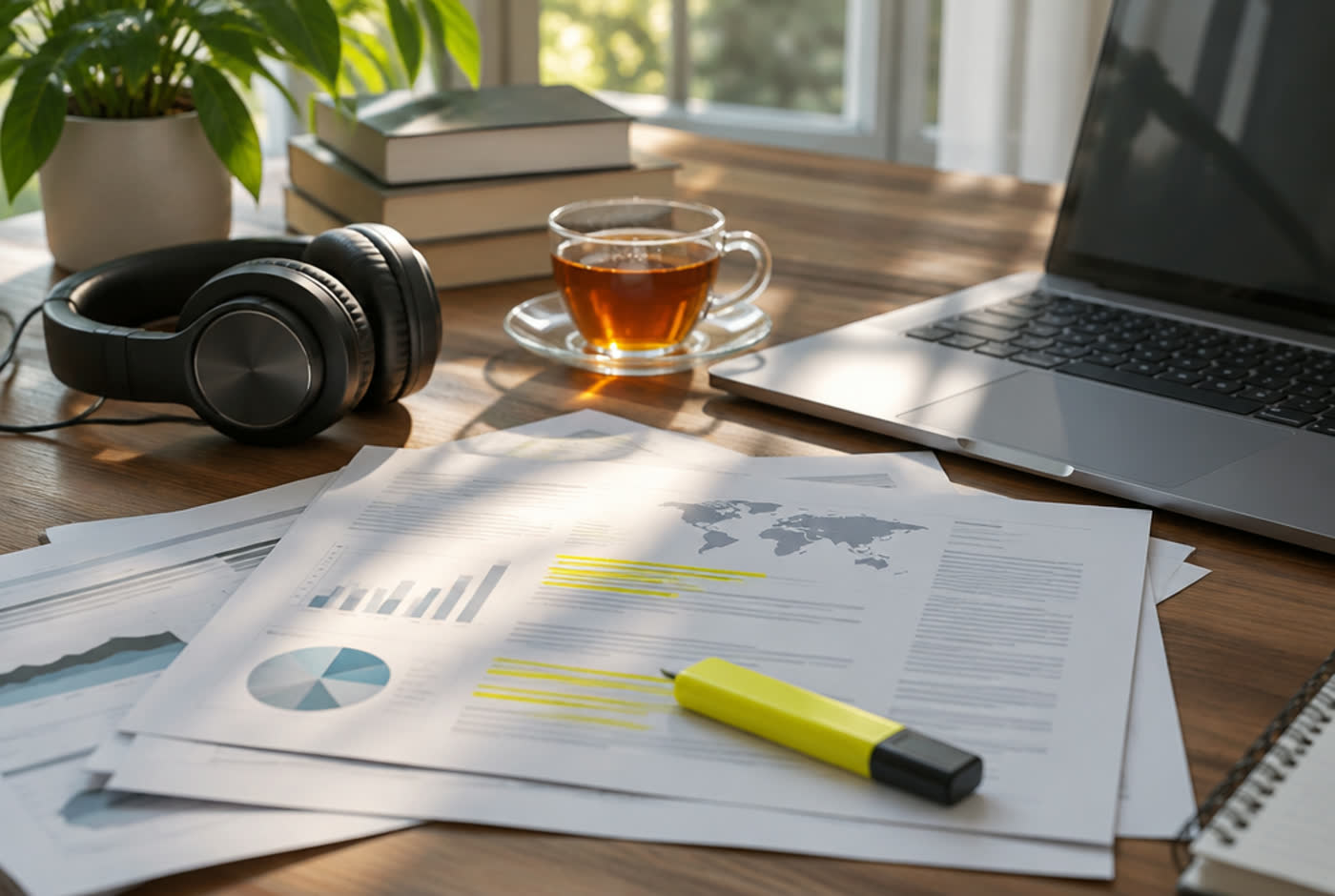
From the outside, a good conversation looks effortless: two people, a table, a natural rhythm. What the viewer does not see is the week before it, spent at a desk with a stack of paper and a highlighter.
Read what they wrote, not what was written about them
Our first rule is to go to the source. Speeches, essays, old interviews, testimony, the footnotes of reports. People are far more interesting in their own words, and far more surprised when you have read them.
Build the question you will not get to
We draft more questions than any conversation can hold, then cut them down to a handful that matter. The rest stay in the notebook. Having them there means we can listen properly instead of looking for the next line.
Preparation is what lets you listen.
Decide what would change our mind
Before we sit down, we write what we expect to hear and what would surprise us. It is a small exercise. It keeps the conversation honest, because it is easier to notice the surprise when you have admitted you were expecting something else.
Then we put the paper away and talk. The preparation is not for the camera. It is for the person across the table.
India Media Network desk