Why the room still matters
In an age of endless feeds, a few dozen people in one room can still change what a country discusses.
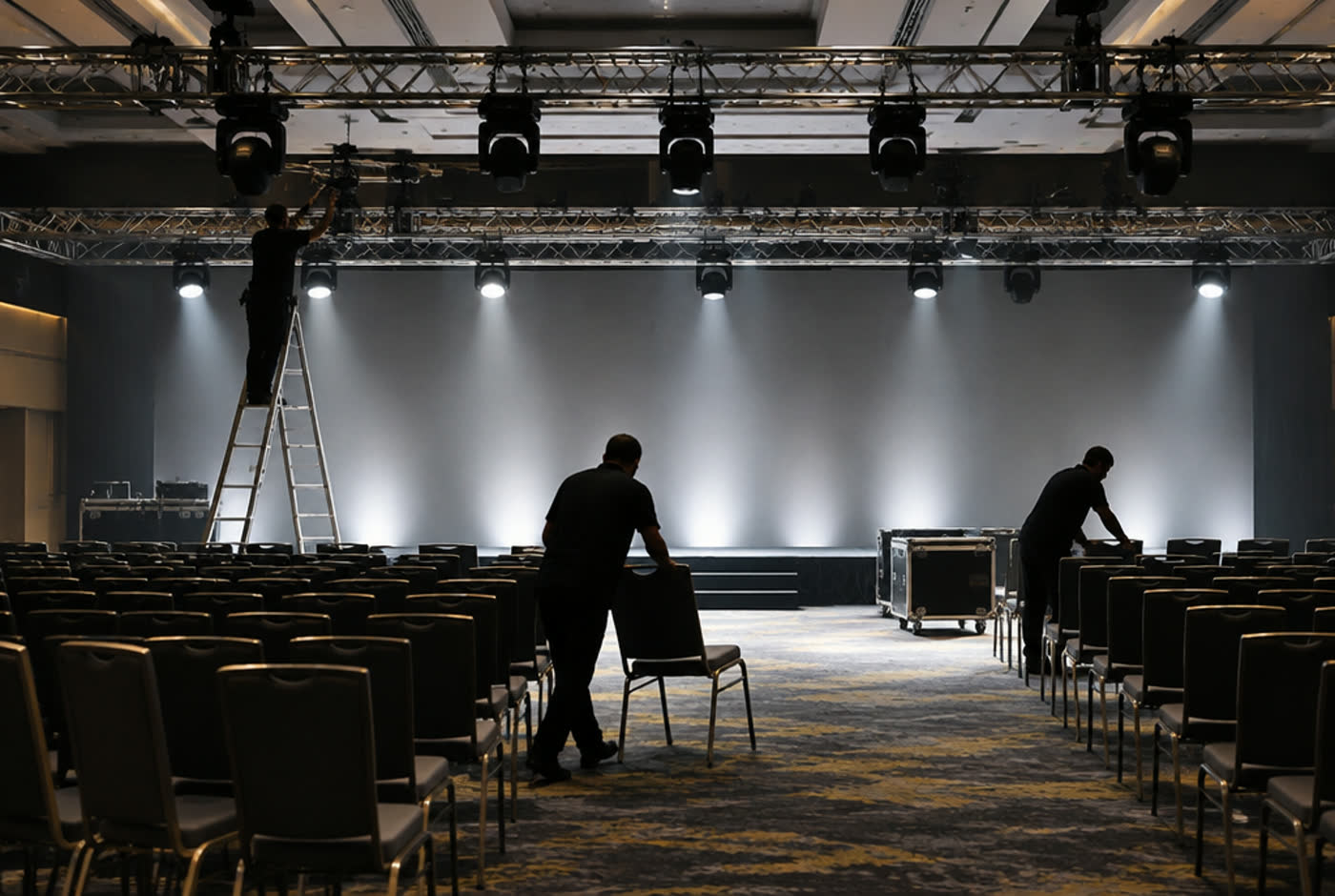
It would be easy to believe that the age of the meeting is over. Everything can be streamed, summarised and posted. If a conversation matters, someone will clip it.
And yet some of the most consequential conversations still happen with the door closed.
What a room does that a feed cannot
In a room, people have to stay. They cannot scroll past the person who disagrees with them. They share a table, a meal, a long afternoon. They hear the hesitation in a sentence and not just the sentence.
That changes what people are willing to say. Positions that would be defended to the death on a stage are quietly revised over coffee. People who would never reply to each other online end up asking each other honest questions.
Mixing the people who rarely meet
Government, enterprise, technology, culture and ideas each have their own rooms, their own vocabulary, their own idea of what counts as obvious. The most useful conversations tend to happen where those worlds overlap, and they rarely overlap by accident.
The most useful conversations happen where worlds overlap, and they rarely overlap by accident.
A modest ambition
We are not trying to resolve anything. A good convening has a smaller aim: that people leave a little less certain than they arrived, and a little better informed about why someone else sees it differently.
That is a modest outcome. It is also, more often than not, how the larger ones begin.
India Media Network desk